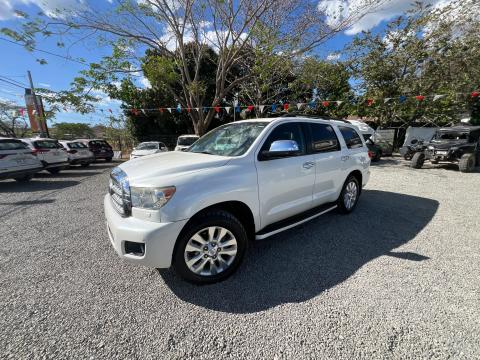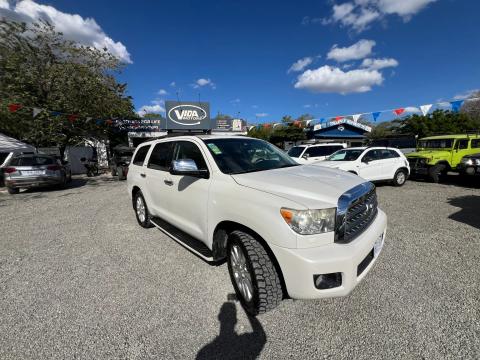
The Complete Guide to Buying a Car in Costa Rica: Navigating the Market in Paradise
Navigating the automotive landscape in Costa Rica is a unique journey that combines tropical logistics with specific legal requirements. Whether you are a digital nomad settling in the Central Valley, an expat moving to the gold coast of Guanacaste, or a local looking for a reliable upgrade, understanding the nuances of the Costa Rican car market is essential. Buying a vehicle here is more than just a transaction; it is an investment in freedom, allowing you to traverse the diverse terrains from the cloud forests of Monteverde to the rugged surf breaks of Santa Teresa. However, the process involves distinct legal steps—such as the mandatory involvement of a Notary Public and the annual "Marchamo" tax—that differ significantly from North American or European standards. This guide provides the authoritative roadmap you need to secure a high-quality vehicle safely and legally.
Why Owning a Vehicle is Essential in Costa Rica
In Costa Rica, owning a vehicle is less of a luxury and more of a necessity for a high quality of life. While the Greater Metropolitan Area (GAM), including San José, Heredia, and Alajuela, offers public transit, the real treasures of the country are found down unpaved roads and steep mountain passes where buses do not frequent.
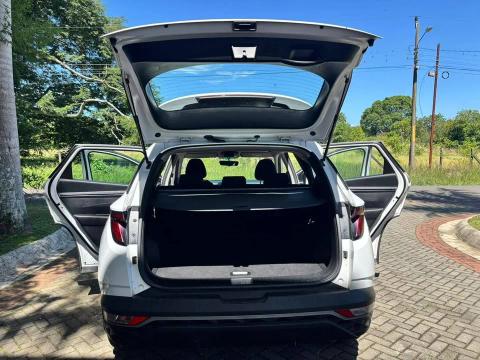
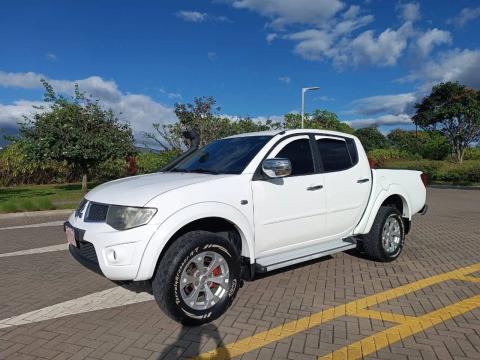
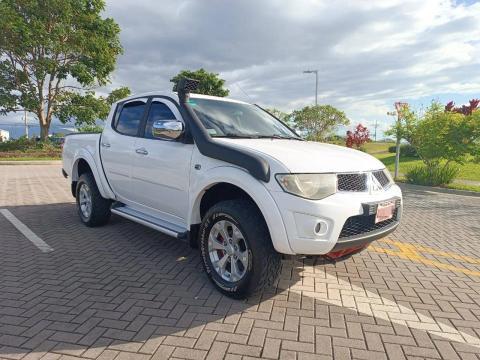
The local climate and geography heavily influence which vehicles are popular. SUVs and 4x4s dominate the market for a reason: the "Green Season" brings heavy rains that can transform standard gravel roads into challenging mud tracks in minutes. High clearance is not just for off-roading enthusiasts; it is a practical requirement for navigating "potholes" (huecos) and seasonal river crossings in rural areas like Puntarenas and Limón. Furthermore, the local lifestyle centers on outdoor adventure. Having a vehicle that can accommodate surfboards, hiking gear, or a family trip to a volcano is the key to unlocking the true Costa Rican experience. Japanese brands like Toyota, Suzuki, and Mitsubishi hold immense popularity here because of their legendary durability and the widespread availability of spare parts across all seven provinces.
What to Look For: RITEVE (DEKRA), Taxes, and Tropical Wear
When inspecting a potential purchase, you must look beyond the gleaming paint job and consider the "Costa Rican factors" that affect a car’s longevity and legality.
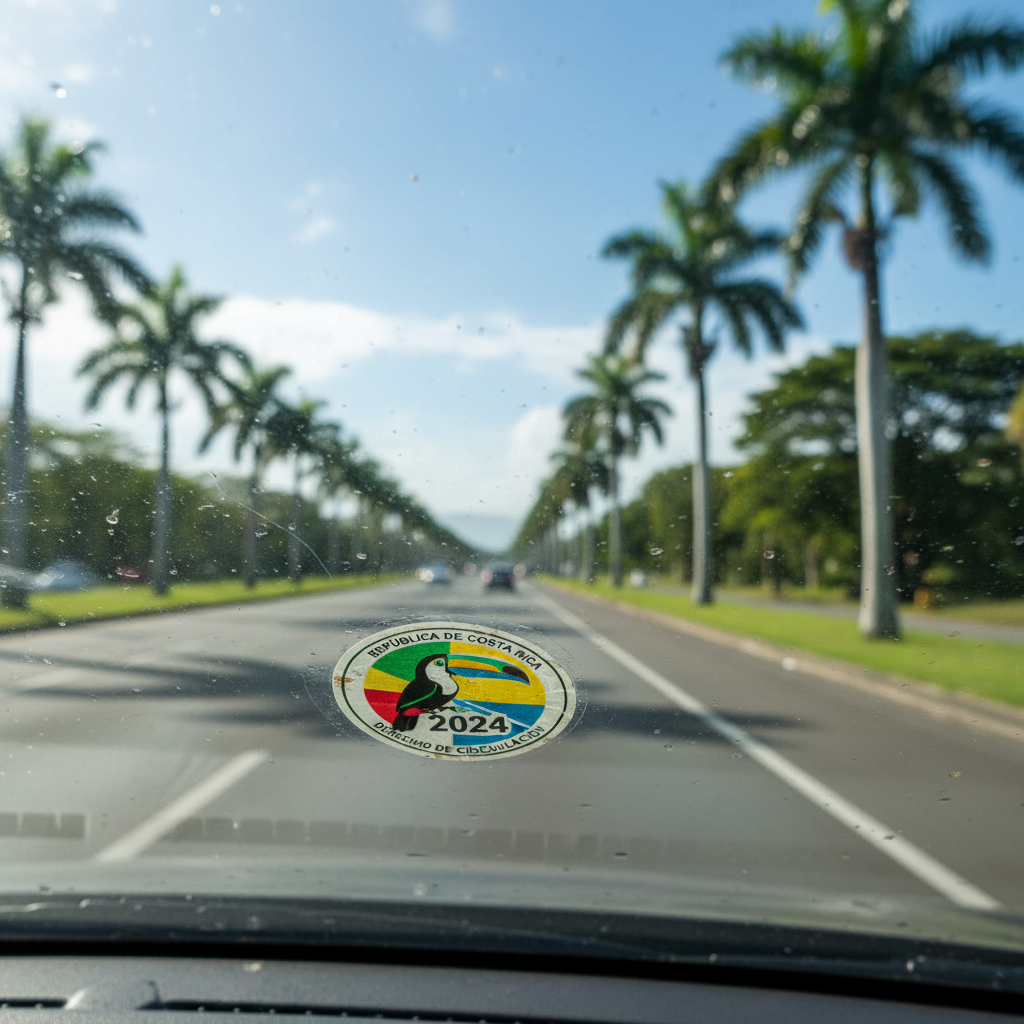
- Technical Inspection (DEKRA): Formerly known as RITEVE, the annual technical inspection is now managed by DEKRA. Every vehicle must have a valid inspection sticker (eco-stickers and technical cards). Check the expiration date; a vehicle with a "failed" status cannot be legally driven and will be blocked from paying the annual circulation tax.
- The Marchamo and Property Taxes: The Marchamo is the annual circulation permit paid every December. It includes the mandatory SOAP insurance and a property tax based on the vehicle's value according to the Ministry of Finance (Hacienda). Ensure the seller has no outstanding "partes" (traffic fines) or unpaid Marchamos, as these debts stay with the vehicle, not the owner.
- Corrosion and Road Wear: Vehicles that have spent their lives in coastal towns like Jacó or Puerto Viejo are prone to "salitre" (salt air corrosion). Always inspect the undercarriage for rust. Conversely, cars driven primarily in San José may have more wear on the clutch and brakes due to stop-and-go traffic and steep mountain inclines.
- Import Status: Many cars in Costa Rica are "Grey Market" imports from the USA or Korea. Use tools like CarFax for US imports to ensure the vehicle wasn't a total loss or flood-damaged before arriving in Limón or Caldera ports.
Price Ranges: Understanding the Costa Rican Market
Vehicle prices in Costa Rica are notably higher than in the US or Europe due to high import taxes, which can range from 15% to over 50% depending on the vehicle's age and fuel type.
- Entry-Level ($5,000 - $9,000 USD / 2.5M - 4.6M CRC): In this range, you will find older, reliable sedans (Toyota Yaris, Hyundai Accent) from the early 2010s or high-mileage 4x4s like the older Suzuki Sidekick or Grand Vitara.
- The "Sweet Spot" ($12,000 - $22,000 USD / 6.1M - 11.2M CRC): This is the most active segment of the market. You can find 5-7 year old SUVs like the Toyota RAV4, Honda CR-V, or Nissan X-Trail. These vehicles hold their resale value exceptionally well in the local market.
- High-End & Electric ($30,000+ USD / 15.3M+ CRC): Newer models, luxury brands like BMW or Audi, and the growing market of EVs. Costa Rica offers significant tax incentives for Electric Vehicles, often making a new EV more tax-efficient than a used gas-guzzler.
Where to Find Your Next Car
The search for a vehicle usually begins in the Greater Metropolitan Area (GAM). Because the majority of the population lives in San José, Alajuela, Heredia, and Cartago, this is where you will find the highest concentration of dealerships (comprasventas) and private sellers.
- San José & Curridabat: Home to the largest luxury dealerships and high-volume used car lots.
- Alajuela: Convenient for those flying in; many importers are located near the Grecia area, known as the "city of cars."
- Guanacaste (Liberia/Tamaraindo): While prices can be slightly higher here due to demand from the expat community, buying locally can save you multiple trips to the Central Valley.
- Facebook Marketplace & Local Portals: While digital browsing is the norm, always insist on a physical inspection at a trusted mechanic before transferring any funds.
---
Start Your Journey Today
Ready to find the perfect vehicle for your Costa Rican adventure? Don't navigate the complex world of Marchamos and DEKRA alone. Our platform connects you with verified sellers across all seven provinces.
Need help narrowing down your options? Use our AI-Powered Vehicle Search to find a car that fits your budget and lifestyle requirements perfectly.